Chinese EV Brands Gain Ground in Norway’s Electric Vehicle Market
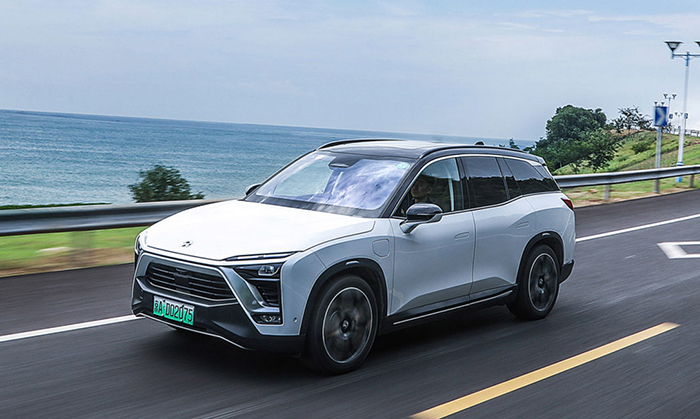
Chinese EV Brands Gain Ground in Norway’s Electric Vehicle Market
Chinese electric vehicle manufacturers are rapidly expanding their presence in Europe, with Norway emerging as a key entry point. The Nordic country, long recognized for its commitment to electric mobility, has become an important testing ground for carmakers aiming to gain a foothold in the region.
Since the delivery of the first Chinese electric vehicle in early 2020, Chinese brands have steadily increased their market share, now accounting for approximately 10 percent of Norway’s EV market. This expansion has been driven by competitive pricing, technological advancement, and favorable market conditions.
Norway has chosen not to impose tariffs on Chinese electric vehicle imports, setting it apart from both the United States and the European Union, which have implemented duties to protect domestic manufacturers. As a non-EU member, Norway has maintained an open approach, seeing no advantage in restricting access to Chinese models.
Today, at least 20 Chinese electric vehicle models are available to Norwegian consumers. These vehicles have gained traction thanks to improvements in performance, design, and price competitiveness. With electric vehicles representing nearly 94 percent of total car sales in the first half of the year, the competition has intensified.
Major Chinese brands have risen through the sales rankings in Norway, placing among the top 20 in the new vehicle market. Some European brands with Chinese ownership also feature prominently, though they are often not classified as Chinese brands due to their retained design and engineering functions outside of China.
Tesla remains the most dominant electric vehicle brand in Norway, largely due to its strong performance in the sport utility vehicle segment. However, Chinese manufacturers are increasingly seen as viable alternatives and have made notable inroads in a relatively short period of time.
Norway has become a strategic launchpad for new entrants to the European market. Its size, culture, and absence of a domestic car industry make it easier for foreign brands to establish a presence. The market allows companies to introduce their vehicles without clashing with national automotive interests and with lower upfront investment compared to larger European markets.
Consumer feedback suggests that many European drivers appreciate the experience of driving Chinese electric vehicles. These vehicles are gaining recognition for both value and quality, positioning them as credible alternatives to more established brands.
The European automotive sector continues to adjust to these developments. While some progress has been made, China retains a lead in terms of the range of electric vehicle models and the affordability of its offerings. To accelerate adoption among middle-income drivers in Europe, more affordable and innovative electric models will be necessary.
As competition intensifies, the strategic importance of Norway as an entry point to Europe remains high. Its openness to imports, lack of protectionist policies, and environmentally conscious consumer base provide an ideal platform for global electric vehicle manufacturers seeking to expand into the region.
The evolving landscape reflects a broader shift in the global automotive market, where agility, local responsiveness, and affordability are increasingly defining the competitive edge. Chinese electric vehicle brands, with their rapid development cycles and growing international ambition, are poised to play a significant role in shaping the future of electric mobility in Europe and beyond.