TSMC Reports Strong Second-Quarter Profit Growth Driven by AI Chip Demand
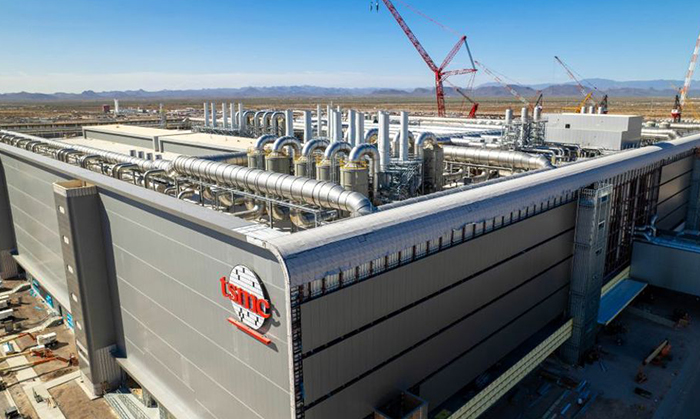
TSMC Reports Strong Second-Quarter Profit Growth Driven by AI Chip Demand
Taiwan Semiconductor Manufacturing Company (TSMC) delivered strong second-quarter results, with net profit rising nearly 61 percent from the same period last year, as robust global demand for artificial intelligence chips continues to drive momentum. The performance exceeded market expectations and set a new quarterly profit record.
For the quarter ending in June, TSMC reported net income of approximately 398.3 billion New Taiwan dollars, or around 31.7 billion U.S. dollars in revenue. Both figures surpassed consensus estimates and reflect the company’s solid position as the leading global contract chip manufacturer.
TSMC’s revenue for the period rose 38.7 percent year-on-year to 933.8 billion New Taiwan dollars. This sharp increase was primarily fueled by surging demand for advanced processors that support artificial intelligence workloads. These high-performance chips are critical for sectors ranging from cloud computing and data centers to autonomous vehicles and generative AI applications.
The company noted that chips produced on its most advanced nodes, those at seven nanometers or smaller, accounted for 74 percent of total wafer revenue during the quarter. These chips offer improved processing power and energy efficiency, making them ideal for next-generation computing tasks. Industry analysts believe that the demand for such advanced nodes is likely to remain strong as AI applications continue to expand across multiple industries and regions.
While the near-term outlook for AI-driven semiconductor demand remains positive, TSMC faces several emerging challenges. The company is navigating an uncertain global trade landscape, particularly in light of policy developments from the United States. Tariffs of up to 32 percent on Taiwanese imports were introduced earlier this year, and further duties on semiconductor products have been suggested. These developments have prompted trade discussions between Taipei and Washington, as both sides seek to manage their economic relationship in an increasingly sensitive geopolitical context.
In addition to trade tensions, U.S. export restrictions on advanced chip technology have impacted TSMC’s ability to supply certain products to customers in mainland China. These limitations also affect the operations of major clients who rely on TSMC’s manufacturing capacity. However, recent indications of a more flexible approach by regulatory authorities have given some companies the ability to resume shipments under new guidelines, offering a degree of reassurance to the supply chain.
TSMC must also contend with potential macroeconomic headwinds in the second half of the year. A strengthening New Taiwan dollar could place pressure on margins, while softening demand in the smartphone and personal computer segments may lead to adjustments in order volumes. These risks are being closely watched by industry observers, particularly in light of fluctuating global consumer demand and uncertain economic conditions.
Despite these challenges, TSMC’s overall trajectory remains upward. The company continues to benefit from its strategic focus on cutting-edge manufacturing technologies and its strong partnerships with global technology leaders. With AI adoption still in its early stages, many expect TSMC’s role in powering this transformation to grow even more prominent in the coming years.
TSMC’s shares listed on the Taiwan Stock Exchange have risen approximately 5 percent since the beginning of the year, reflecting investor confidence in the company’s long-term fundamentals and market position.